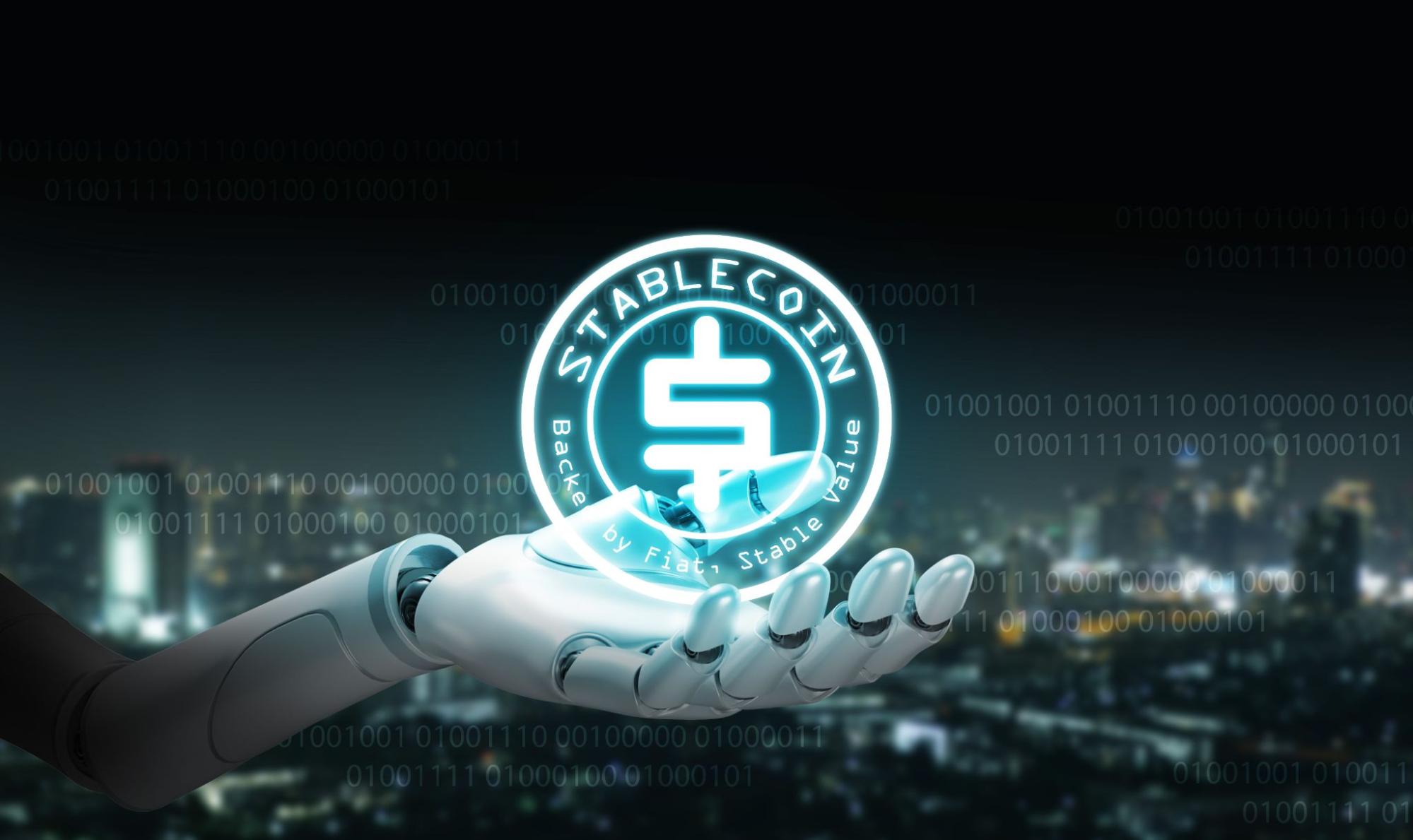
Stablecoins are quickly moving from niche crypto tools to core components of global finance. The expansion of partnerships between Mastercard and Circle marks a major step toward integrating stablecoin settlements into everyday payment systems, signaling a shift in how money moves across borders and platforms.
What Is the Mastercard–Circle Partnership?

Mastercard has partnered with companies like Circle and other digital asset providers to enable stablecoin-based payments and settlement capabilities across its network. Circle, the issuer of USDC, provides the infrastructure for digital dollar transactions, while Mastercard connects that functionality to its global payment rails.
This partnership allows businesses and financial institutions to send, receive, and settle payments using stablecoins, while still operating within familiar payment ecosystems.
Why Stablecoin Settlements Matter
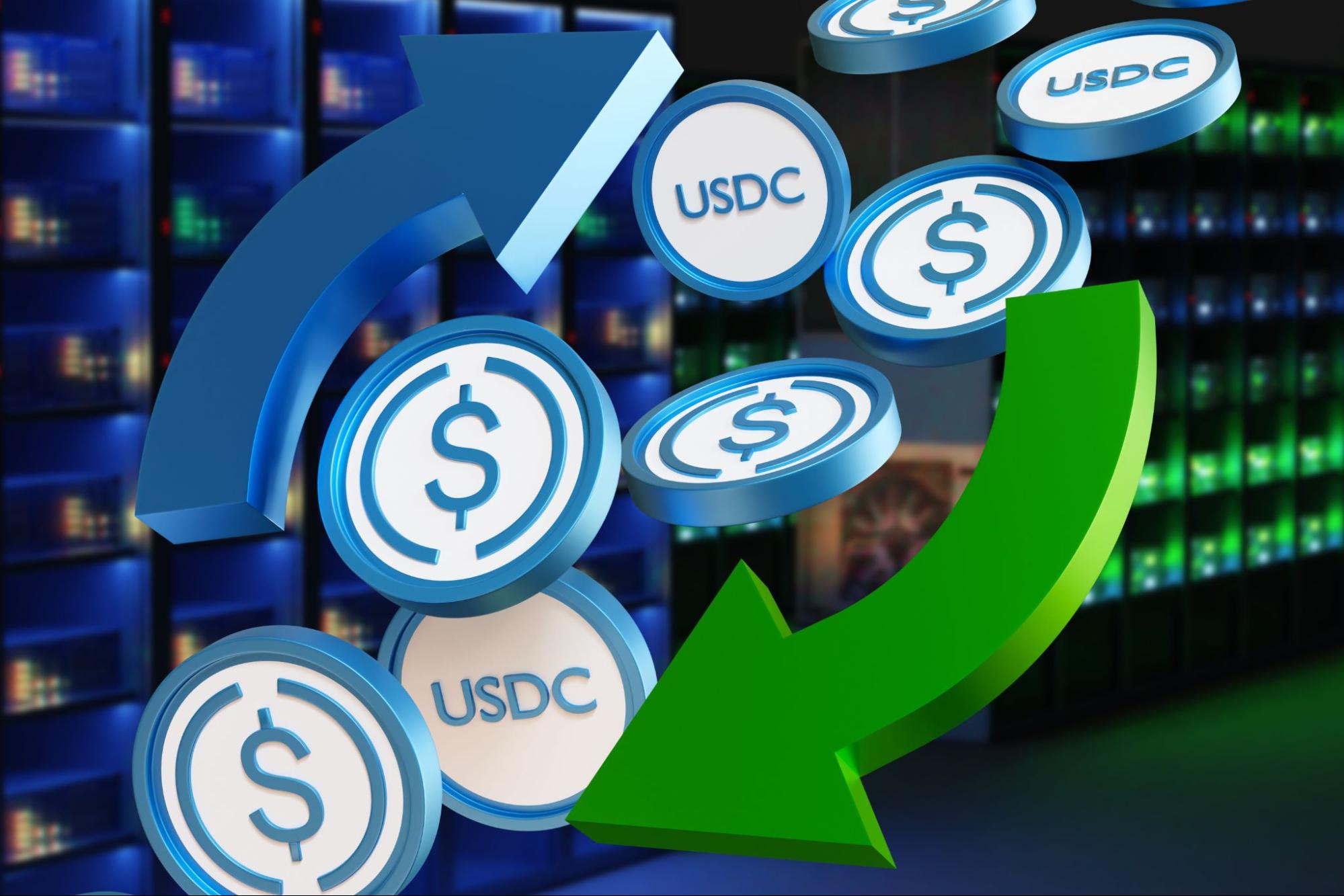
Stablecoins like USDC are designed to maintain a 1:1 value with fiat currency, making them ideal for payments, remittances, and settlements.
Key advantages include:
- Faster transaction speeds compared to traditional banking systems
- Lower costs for cross-border payments
- 24/7 settlement availability without banking hour limitations
- Reduced reliance on intermediaries
As a result, they are becoming a practical solution for modern payment challenges.
How Mastercard Is Expanding Stablecoin Capabilities
Mastercard has been actively building out its digital asset strategy, and its work with Circle is a key part of that expansion.
Enabling Merchant Acceptance
Mastercard is exploring and developing infrastructure that allows merchants to accept stablecoin payments and convert them seamlessly into fiat currency, reducing volatility concerns.
Supporting Crypto Wallet Integration
By partnering with crypto platforms, Mastercard enables users to spend stablecoins directly through cards linked to digital wallets.
Innovating Cross-Border Settlements
Stablecoins allow for near-instant international settlements, eliminating delays typically associated with correspondent banking systems.
What This Means for Businesses

For businesses, the Mastercard–Circle expansion opens the door to more efficient payment operations.
Faster Payments
Companies can enable near real-time settlement in many cases, improving cash flow and reducing delays.
Global Reach
They simplify cross-border transactions, making it easier to operate in international markets without complex currency conversions.
Lower Transaction Costs
Reduced reliance on some traditional intermediaries can help lower processing and settlement fees.
What This Means for Financial Institutions
Banks and financial institutions are increasingly exploring stablecoins as part of their infrastructure.
Easier Integration
Stablecoins can connect more seamlessly with blockchain-based systems, improving operational efficiency.
Improved Settlement Efficiency
Faster, near real-time settlement reduces delays and enhances liquidity management.
New Service Opportunities
Financial institutions can expand into digital asset offerings, including custody, payments, and treasury solutions.
This shift positions stablecoins as a bridge between traditional finance and blockchain technology.
The Bigger Picture: Stablecoins as Financial Infrastructure
The collaboration between Mastercard and Circle reflects a broader trend, meaning stablecoins are evolving into foundational financial tools. They are now being used for payments and merchant transactions, cross-border remittances, treasury and settlement operations, and even tokenized asset transfers.
As adoption continues to grow, stablecoins are becoming embedded within the global financial system rather than operating alongside it.
Challenges Still Ahead
Despite rapid progress, several challenges remain, including regulatory uncertainty across jurisdictions, evolving compliance requirements for issuers and platforms, security risks within blockchain ecosystems, and the complexity of integrating with legacy financial systems.
How these challenges are addressed will ultimately shape the pace and scale of adoption.
Why Real-Time Risk Still Matters
Even as stablecoin settlements expand through trusted networks like Mastercard, risks remain within the broader ecosystem.
These include:
- Liquidity shifts across exchanges
- Smart contract vulnerabilities
- Exposure to high-risk protocols
- Large holder movements impacting stability
- AML, sanctions, and compliance risks across counterparties and transaction flows
Managing these risks requires more than compliance—it requires real-time visibility.
Turning Adoption Into Action
As stablecoins become part of mainstream payment infrastructure, businesses and institutions need tools to monitor risk, track activity, and stay ahead of emerging threats.
Having visibility across wallets, transactions, and counterparties is essential to operating confidently in a rapidly evolving digital asset landscape.
Frequently Asked Questions (FAQs)
What is the Mastercard and Circle partnership?
It is a collaboration to enable stablecoin payments and settlements using Mastercard’s global network and Circle’s USDC infrastructure.
What stablecoin is involved?
USDC, a dollar-backed stablecoin issued by Circle.
Can businesses accept stablecoin payments through Mastercard?
Yes, Mastercard is actively exploring and developing infrastructure to support acceptance and conversion into fiat.
Are stablecoin settlements faster than traditional payments?
Yes, they can be processed in near real time and are not limited by banking hours.
Stay Ahead of the Future of Payments

Stablecoins are reshaping how money moves—and partnerships like Mastercard and Circle are accelerating that shift. Understanding both the opportunities and risks is key to staying competitive in this evolving financial landscape.
As digital currency adoption grows, tools like Webacy help monitor developing infrastructure to support safer, more transparent participation in the evolving digital asset ecosystem. Explore how to navigate stablecoin adoption with confidence and stay ahead of what’s next.